- Commercial, Domestic & Contract Locksmith
- duncan@easykeyslocksmiths.co.uk
- CLICK TO CALL US


What Is Non-Destructive Entry? Why a Professional Locksmith Shouldn’t Reach for the Drill Right Away
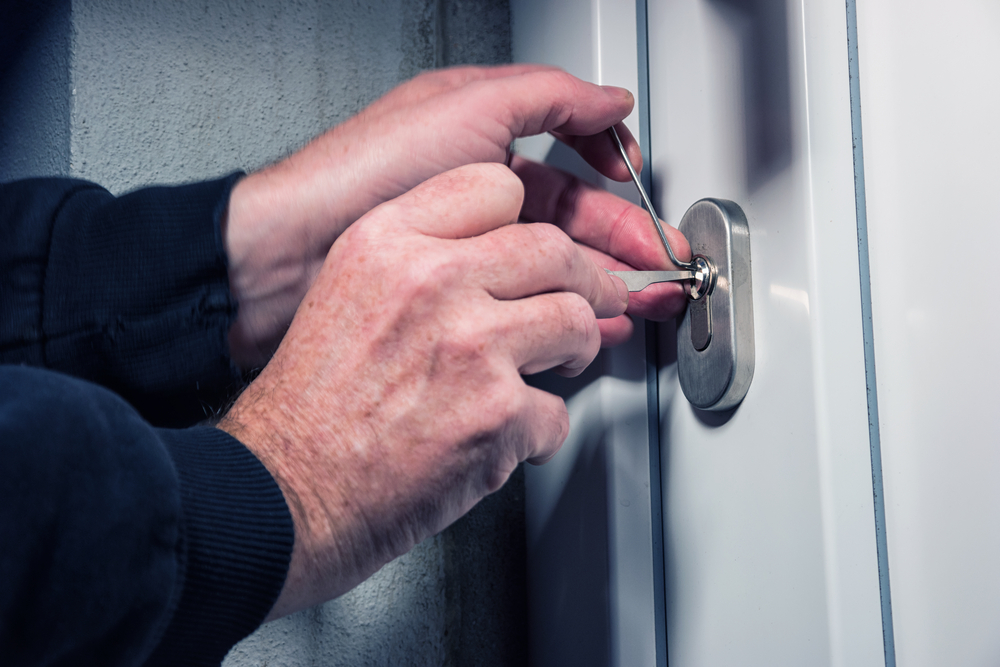
When you're locked out of your Holmes Chapel home or business, the priority is understandably to get back inside as quickly as possible. However, speed shouldn't automatically mean destroying the lock.
Professional locksmiths have a range of techniques available that may allow them to gain access without damaging the existing lock or door. Collectively, these methods are commonly referred to as non-destructive entry.
Although drilling is sometimes necessary, it shouldn't automatically be the first solution. Understanding the difference between non-destructive and destructive entry can help customers recognise what they should expect from an experienced locksmith.
What Is Non-Destructive Locksmith Entry?
Non-destructive entry describes techniques used by locksmiths to gain authorised access to a property while avoiding unnecessary damage to the lock, door and surrounding hardware.
The exact approach depends on the type of door, lock and circumstances of the lockout. A locksmith may use traditional manual lock-picking skills or specialist professional tools designed for particular locking systems.
The aim isn't simply to get the door open. It is to achieve entry while leaving the customer's property in the best possible condition.
When successful, the existing lock can often continue to be used normally afterwards.
Why Is Avoiding Damage So Important?
Drilling a lock usually means destroying at least part of the locking system. Once this happens, replacement components will normally be required before the property can be properly secured again.
This can turn a relatively straightforward lockout into a considerably more expensive job.
For example, if you've simply closed the door behind you and left your keys inside, there may be absolutely nothing wrong with the lock. Destroying a perfectly functional lock in this situation would clearly be undesirable if another practical method of entry is available.
Successful non-destructive entry can therefore mean:
-
No unnecessary damage to the existing lock.
-
Reduced risk of damage to the door or surrounding fittings.
-
Fewer replacement parts.
-
Lower overall costs for the customer.
-
The existing lock may remain usable after entry.
-
Less disruption following an emergency lockout.
This is why many experienced locksmiths regard destructive entry as an option to use when necessary rather than the default solution.
Why Do Locksmiths Sometimes Drill Locks?
There are legitimate circumstances where a drill may be required.
Locks are mechanical devices and their internal components can eventually fail. A broken mechanism, severely damaged cylinder or failed multipoint locking system can create a completely different problem from someone simply losing their keys.
There are also security locks designed specifically to resist common manipulation and picking techniques.
In situations such as these, destructive entry may ultimately be the most appropriate way to gain access.
The important question isn't therefore “Did the locksmith use a drill?”
It is “Was drilling actually necessary?”
A competent locksmith should assess the lock and circumstances before deciding on the most appropriate approach.
Why Would a Locksmith Drill a Lock Without Trying to Pick It?
There can be several reasons why a locksmith chooses drilling immediately.
One possibility is limited experience with non-destructive entry.
Picking locks manually is a practical skill that takes time and regular practice to develop. Understanding different lock designs and knowing which approach is suitable for each situation requires considerably more knowledge than simply learning how to drill out and replace a cylinder.
Specialist equipment is another consideration.
Professional locksmiths often invest in a wide range of tools because no single piece of equipment will open every type of lock. Someone operating with a very limited toolkit may have fewer alternatives available.
There is also the issue of time. Drilling can sometimes provide a predictable method of entry, whereas attempting non-destructive techniques may require greater patience and expertise.
Unfortunately, there can potentially be a financial incentive too. Once a lock has been destroyed, the customer will usually have to purchase a replacement. This can increase the final cost of the job.
This certainly doesn't mean that every locksmith who drills a lock is doing something wrong. It simply reinforces why the decision to use destructive entry should have a legitimate reason behind it.
Picking Isn't Always the Answer Either
It is important not to assume that every locked door can simply be picked open.
Modern properties use many different types of locking systems. These can include traditional mortice locks, night latches, euro cylinders, anti-snap cylinders and multi-point locking mechanisms fitted to uPVC and composite doors.
A locksmith may therefore need to use different techniques depending upon the situation.
Professional non-destructive entry is about selecting an appropriate method rather than repeatedly attempting conventional lock picking regardless of the lock involved.
In some cases, another specialist opening technique may be faster and more appropriate. In others, the failure of an internal component can make destructive entry unavoidable.
Experience helps a locksmith recognise the difference.
Lost Keys and Broken Locks Are Different Problems
One of the first things a locksmith should establish is why the customer cannot open the door.
Consider two common situations.
In the first, someone closes their front door and suddenly realises their keys are sitting on the kitchen table. The lock was functioning perfectly moments earlier.
In the second, someone inserts their key, turns it and discovers that the door mechanism has jammed internally.
Both customers are technically locked out, but the underlying problems are completely different.
The first scenario may be particularly suitable for non-destructive entry because the locking system itself is functioning normally.
The second may require repairs or replacement components regardless of how the locksmith gains access.
Correctly diagnosing the problem is therefore an important part of professional locksmithing.
When Is Destructive Entry Appropriate?
There are occasions when damaging a lock to gain entry is reasonable and necessary.
This could be because the lock has suffered an internal mechanical failure, previous damage has made normal operation impossible or appropriate non-destructive techniques have already been unsuccessful.
In these circumstances, drilling may provide an effective way of gaining access while keeping damage confined to components that will need replacing anyway.
Before proceeding, the locksmith should ideally explain what needs to be done and what parts are likely to require replacement.
Customers can then make an informed decision rather than discovering afterwards that a considerably larger bill has resulted from the original lockout.
Non-Destructive Entry Is a Specialist Locksmithing Skill
The ability to open locks without damaging them doesn't develop overnight.
Professional locksmiths spend considerable time understanding how locks work and practising techniques that allow them to manipulate locking mechanisms safely and effectively.
They may also invest significant amounts in specialist locksmithing equipment.
This expertise becomes especially valuable during emergency lockouts because the locksmith has more than one possible solution available.
Rather than automatically thinking “How can I drill this lock?”, an experienced locksmith can consider “What is the least destructive practical way of opening this door?”
That difference can potentially save the customer both inconvenience and money.
Be Careful With Very Cheap Locksmith Advertisements around Holmes Chapel
Customers searching online during an emergency naturally pay attention to price.
However, an extremely cheap advertised locksmith price doesn't necessarily represent what you'll ultimately pay.
A headline figure may only cover an initial call-out or basic labour. Additional charges could potentially be added for gaining entry, replacement locks, parts and additional work.
This makes it sensible to ask about pricing before allowing work to begin.
If a locksmith immediately says the lock needs drilling, ask how much the complete job will cost including the replacement lock and fitting.
Transparent pricing allows you to make a much better comparison between locksmiths.
What Should You Ask During an Emergency Lockout?
You don't need any technical knowledge to ask sensible questions.
When contacting a locksmith, tell them what has happened and, if possible, describe the type of door and lock you have.
You can then ask whether they use non-destructive entry techniques and whether they will attempt to open the door without drilling wherever practical.
If drilling is recommended after they arrive, ask why.
A genuine mechanical failure or particularly difficult security lock may provide a perfectly reasonable explanation. The important thing is that the locksmith can explain the decision rather than treating drilling as the automatic solution to every lockout.
Choosing a Professional Local Locksmith
When choosing a locksmith, look beyond the cheapest price displayed in an advert.
Consider their qualifications or professional training, experience, customer reviews and whether they specifically mention non-destructive entry.
It can also be beneficial to choose a genuine local locksmith rather than automatically selecting whichever national-looking advertisement appears first in the search results. Knowing who is actually attending your property, what they charge and what approach they take to gaining entry can prevent surprises later.
Non-Destructive Entry Should Be Considered First
There is nothing inherently wrong with drilling a lock. It is a legitimate locksmithing technique and there are situations where it is absolutely necessary.
The concern arises when destructive entry becomes the automatic first choice regardless of the circumstances.
Professional locksmithing involves assessing the door, identifying the locking system, diagnosing the reason for the lockout and selecting an appropriate entry technique.
Where non-destructive entry is practical, it can protect the customer's existing lock, minimise damage and potentially make the job considerably less expensive.
So, if you're locked out and the first thing a locksmith reaches for is a drill, it is perfectly reasonable to ask one simple question:
“Can this lock be opened without destroying it first?”
More News
Get In Touch
If you’re looking for a domestic or commercial locksmith in Staffordshire or Cheshire? Don’t hesitate to contact Easy Keys Locksmiths for help or a quote. Alternatively, Call Us on 07904 960842
Ellen Shaw
Mr Powell
James Andrews
S Wilson
Olivia Moore
Duncan was prompt, polite and did an excellent job.. I you're in Congleton or nearby and need a locksmith then I recommend adding Easy Keys Locksmiths to your speed dial, just in case..